
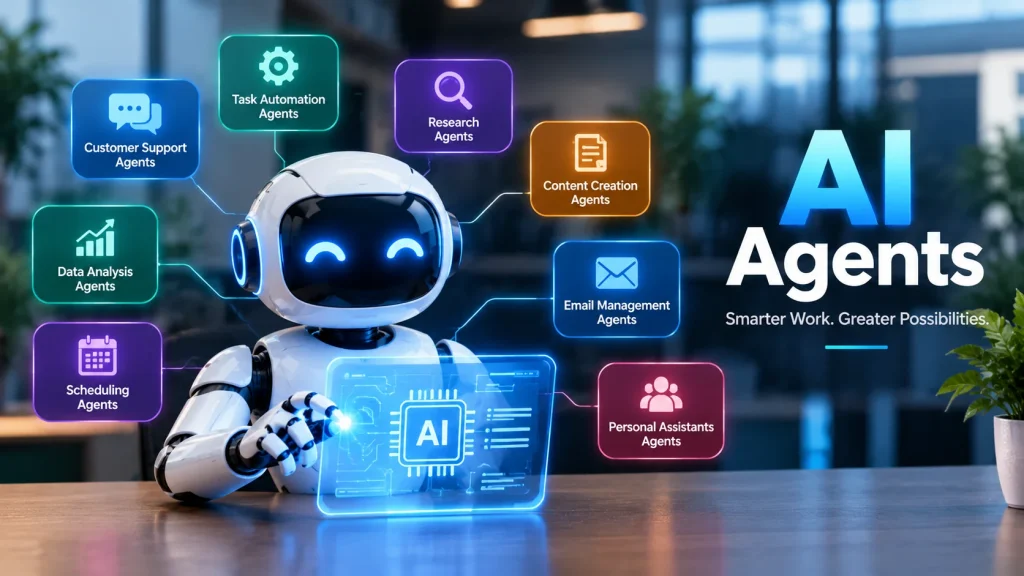
B2B outreach builds relationships, brings in leads, and drives sales. It also takes a lot of time. Sales reps research companies, write emails, send follow-ups, and update records all week long.
AI Agents now take on much of that work. They read data, understand context, and finish tasks step by step. Your team still makes the calls while the agent clears the busywork.
In this guide, you will learn what AI Agents do, where they help most, and which risks to watch. Let’s dive in.
What Are AI Agents in B2B Outreach?
A Simple Definition
An AI agent is software that works toward a goal with some independence. It uses data, language models, and your business tools to finish tasks. You give it instructions. It takes the next steps.
Think of it as an assistant for your sales team. It does not just follow a fixed script. It reads the situation. Picks a sensible next move within the limits you set.
How They Differ From Basic Automation
Basic automation tools follow fixed rules. If a lead opens email one, the tool sends email two. That is all it does.
AI Agents handle flexible work. They can read a reply, check notes, and suggest what to do next. That makes them useful when each prospect needs a different approach.
A Quick Real-World Example
Imagine you sell project management software. An agent can find companies with growing teams. Then it can research their needs and draft a message about better teamwork.
Your rep reviews the draft. Hits send. The goal is not to send messages. The goal is to send ones.
Find Prospects Without Hours of Searching
Finding the audience is hard. If you contact the companies, you waste time and money.
AI Agents help by scanning company websites, professional profiles and other approved data sources. They match what they find against the criteria you set. Then they sort companies into groups.
Say you sell cybersecurity services. You want companies that are growing their systems. An agent can spot those firms. Group them for your team.
Keep one thing in mind. An agent is only as good as its data. Old or wrong data leads to picks, so check your sources often.
Write Messages People Actually Want to Read
You probably deleted a sales email today. Most buyers do the same. They ignore messages that ignore their needs.

AI Agents can help you fix that. They use details about a company’s industry, goals, and challenges to draft relevant emails. They can also write versions for different groups. An online store might read about order management while a consulting firm might read about team productivity and client communication.
Always read the draft before you send it. AI can make guesses or overstate a claim. One bad line can hurt your credibility fast, so keep your touch accurate, polite and truly useful.
Never Drop the Ball on Follow-Ups
Follow-ups win deals. They also slip through the cracks. Reps forget who they emailed, what they said, and what should happen next.
AI Agents track each conversation. They spot messages and draft replies based on earlier talks. If a prospect asks for details, the agent organizes the request, drafts an answer, and reminds your rep to act.
You can also set rules. Tell the agent when to pause, when to hand a chat to a human and when to stop. That prevents pushy or badly timed messages. Your team should still handle questions, concerns, and any request for a commitment.
Keep Your CRM Tidy Without the Data Entry
A customer relationship management (CRM) system stores your contacts, deals and conversation history. It only helps when the data stays current. Most reps dislike updating it.
AI Agents can take over part of that chore. They update records, summarize calls, sort leads and flag missing details. After a sales call, an agent can write a recap note the prospect’s main worry, and suggest a next task.
Set rules first. A wrong update creates confusion. Too much access can also expose private customer data, so give the agent only what it needs.
Reach Buyers on One Channel
Buyers talk to you in many places. They read email, check networks, visit your website and join scheduled calls.
AI Agents can help coordinate those touchpoints across approved channels. One agent might draft an intro email, pick a case study, and set a reminder for a later chat. The prospect gets one experience instead of five similar messages.
Respect the rules, though. Each platform has its limits, and privacy laws matter too. Never use automation to dodge those limits or flood someone’s inbox.
Spend Your Time on the Leads Most Likely to Buy
Not every lead is ready to buy. Some want a demo today. Others just read one blog post.
AI Agents can. Rank leads. They look at company size, industry, stated needs, past engagement and fit with your product. A prospect who asks for a demo moves to the top of the list and a casual visitor waits.
This helps your team spend time where it counts. Still treat scores as guides, not promises. Check their accuracy often. Keep sensitive personal traits out of the scoring.
Answer Questions Faster
Speed matters in B2B sales. A slow reply can cool a lead.
AI Agents can answer questions right away. They pull approved details on features, pricing structures or service availability. They also send questions to the right person on your team.
Set boundaries here. Pricing exceptions, legal questions and contract talks need a decision. Let the agent handle the routine so your reps can focus on the rest.
See What Works With Better Reporting
Sending emails is easy. Knowing which ones work is harder.
AI Agents can sort campaign data and spot patterns. They can summarize reply rates, meetings booked and results by audience group. For example, they can compare a “save money” message with a “boost productivity” message.
Look past. Clicks. Meetings, deals, customer feedback, and revenue tell the real story.
Where AI Agents Help and Where Humans Still Lead
Here is a look at how the work splits between your agent and your team.
| Outreach Task | What AI Agents Do | What Your Team Still Does |
| Prospect research | Scan approved data and group matching companies | Check data quality and pick the final list |
| Email drafts | Write versions for each audience group | Review tone, facts and claims |
| Follow-ups | Track replies, draft responses, set reminders | Handle questions and commitments |
| CRM updates | Log notes, summarize calls flag gaps | Set access rules and check accuracy |
| Lead scoring | Rank leads by fit and engagement | Review scores and avoid biased inputs |
| Reporting | Summarize replies, meetings and trends | Choose strategy and next steps |
Why Sales Teams Like Working With AI Agents
When you set them up with care, AI Agents bring real gains. Here are the main ones:
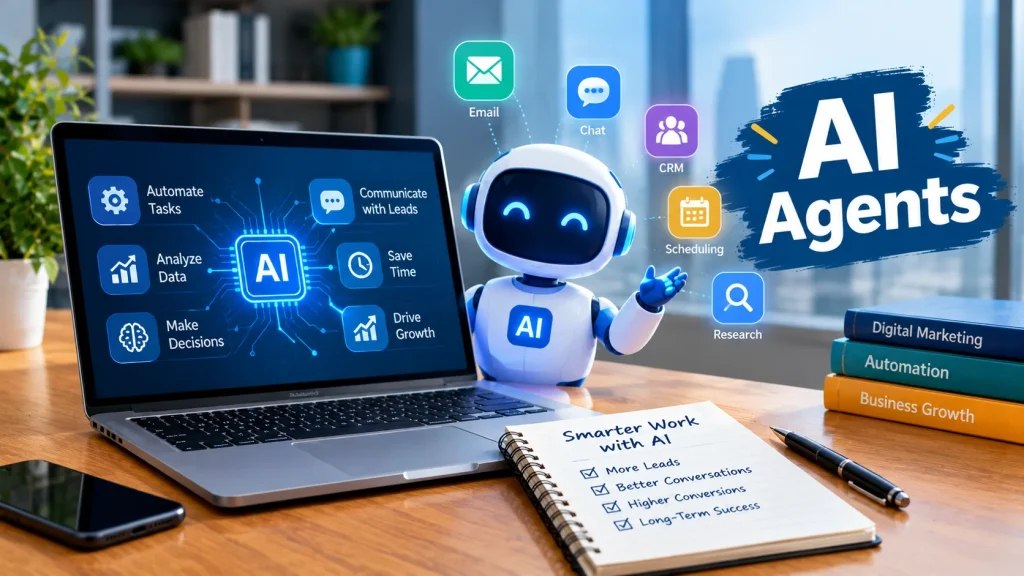
- Time savings: They handle repeat research and admin tasks.
- Relevance: They tailor messages to each prospect’s business.
- Smarter lead handling: They help you sort and rank prospects.
- Follow-ups: They track conversations and suggest next steps.
- Growth: They support bigger outreach programs without extra manual work.
These gains do not happen on their own. They depend on data, good tool connections, clear instructions, and regular checks.
Risks to Watch Before You Start
AI Agents open doors, but they also bring new problems. Plan for these five.
Privacy and Security
Outreach tools handle contact details and customer records. Use approved data sources, limit access, and follow the privacy rules in your region.
Mistakes and Wrong Guesses
An agent can misread a message or state something. Check facts and set up a review step before anything goes out.
Losing the Human Touch
Repeated templates feel cold. Real people build trust, understand needs and handle sensitive talks better than any tool.
Messy Tool Connections
Linking an agent to your CRM, email and sales database takes some work. Poor setup can create records and mixed-up workflows.
Unclear Rules
Decide what your agent can do alone and what needs approval. Sending messages editing records and making deals should all follow rules. Someone on your team must own each decision.
What Comes Next for AI-Powered Outreach
AI Agents will likely grow more capable as business software and AI models improve. Soon one workflow may cover prospect research, message drafts, call summaries lead scoring and performance reports.
Teams may also use specialized agents. One agent can research prospects. Another can write drafts. A third can update the CRM. A sales rep then supervises the process and makes the key calls.
The best results will come from mixing automation with judgment. AI handles the repetitive work. People bring strategy, trust, and accountability. Companies that set goals and track real outcomes will get the most value.
Frequently Asked Questions
What are AI Agents in B2B outreach?
AI Agents are software tools that research prospects, draft messages, organize customer data and suggest steps. Their skills depend on the tools, permissions, and setup you give them.
Can AI Agents write sales emails?
Yes, they can draft emails using details about a prospect’s company, industry and needs. A human should still check the facts, tone and claims before sending.
Are AI Agents better than outreach automation?
They handle context-based tasks that fixed-rule tools cannot manage. Basic tools still work well for repeat steps.
Can small businesses use AI Agents for outreach?
Yes, small teams can use them for research, email drafts, follow-up reminders and CRM upkeep. Starting with one task keeps the setup low-risk.
Will AI Agents replace B2B sales reps?
Unlikely, They Support specific tasks while reps still build trust, solve complex problems and close deals.
Conclusion
AI Agents help B2B teams research prospects, personalize messages, manage follow-ups, tidy CRM data and study campaign results. They cut down repeat work so your reps can focus on leads and stronger relationships.
Still, tools alone do not win deals. You need data, clear rules, privacy safeguards and human oversight. Start small, test often. Measure results that matter, such as meetings and revenue.
Remember the idea. Good outreach is not about sending messages. It is about reaching the people with the right message at the right time.